
What to Pack for Antarctica
Complete packing checklist tailored to Antarctica's climate and culture
Climate Overview for Antarctica
Antarctica hits you with extremes. The air tastes metallic, the light cuts like glass. Polar winds probe every seam, stealing warmth in seconds even at the height of austral summer. Silence reigns, broken only by ice groaning under its own weight or the sharp chorus of penguin colonies. Packing here is siege warfare against the planet. Every layer earns its place: base fabrics that wick sweat, mid-layers that trap heat, and an outer shell that laughs at snow, spray, and wind. Electronics need body-guarding from cold that murders batteries. Keep every item locked down against damp decks and the splash of wet Zodiac landings.
Clothing & Footwear

Shore landings in Antarctica are slippery obstacle courses. Waterproof boots with aggressive tread keep you upright on guano-slick rocks and wet gangways alike.

Base layers must move sweat fast. Antarctica punishes damp skin with instant chill. Quick-dry fabric also saves the day when you rinse gear in a tiny cabin sink.
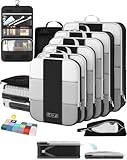
Cabin space is scarce on expedition ships. Compression cubes tame bulky thermals and quarantine soggy outerwear from the gear you still need dry.

A packable daypack earns its keep on every Zodiac run. Stuff it with spare gloves, camera batteries, and chocolate. It folds to fist-size back in your cabin.
Electronics & Gadgets

International sockets pop up in every corner of Antarctic ships. Bring a rugged adapter so batteries can refuel while you thaw out after shooting icebergs all day.

Cold empties batteries faster than you can say Emperor penguin. Tuck a high-capacity power bank inside your jacket. It keeps phones and cameras alive during long shore excursions.

Murphy stalks the Drake. Pack spare braided cables. They survive rough handling in dry bags during wet transfers from ship to shore.

Noise-canceling headphones turn your bunk into a sanctuary. Block engine drone and howling wind. Enjoy music or an audiobook while the Southern Ocean rolls.
A pocket-sized zoom camera nails the scale of cathedral-high icebergs and the electric blues inside them. Glove-friendly buttons seal the deal when whales surface.
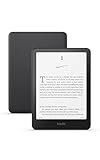
Glare bounces off every snowfield and steel railing. A Kindle's matte screen lets you read on deck without squinting, and one charge lasts the whole crossing.

Cruise cabins rarely offer more than one outlet. A cruise-approved power strip turns that single socket into a charging station for camera, phone, and backup batteries.
Toiletries & Health

TSA loves to see liquids. A clear, quart-size hanging kit keeps toiletries visible at checkpoints and then clips inside cramped ship showers.

Expedition ships carry doctors, but a small first-aid kit still earns its weight. Pack plasters, antiseptic wipes, and painkillers for instant fixes on the go.
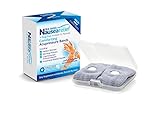
The Drake Passage can be brutal. Acupressure bands give drug-free relief from the ship's endless roll without knocking you out.

Solid shampoo and soap bars never leak. They respect Antarctica's fragile ecosystem and last the entire voyage without leaving plastic behind.
A hard case keeps your toothbrush safe in transit and hygienic in shared bathrooms. Cheap insurance against crushed bristles.

Refills do not exist in Antarctica. A pill organizer keeps prescription meds sorted and dry for the full duration of the trip.
Documents & Security

Boarding day is hectic. A slim document wallet shields your passport, Antarctic boarding pass, and vaccination card from spray and slush.

Tuck a backup credit card and a roll of emergency cash into a discreet money belt before you fly south to your embarkation port.

Lock your checked bag on the way to Ushuaia. The same lock secures your cabin locker once aboard.
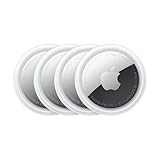
AirTags track your luggage through multiple legs to the southern tip of the world. Peace of mind when connections get tight.
Comfort & Convenience
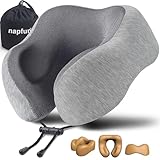
Long flights to the gateway city drain everyone. A compressible pillow saves your neck in economy and doubles as lumbar support in your cabin.

Midnight sun never sets in Antarctic summer. An eye mask tricks your brain into sleep even when the sky glows orange at 0200.

Engines throb. Doors slam. Cabin mates snore. Earplugs buy you the deep sleep you need before dawn landings.

A packable down jacket warms chilly flights and layers under your parka on deck. Doubles as a blanket while you scan for humpbacks.
A fold-flat bottle weighs nothing empty. Fill it from the ship's cooler before each landing. No sloshing, no leaks, no plastic waste.
Outdoor & Hiking Gear

Antarctic hikes cross uneven ice and volcanic scree. Trekking poles save knees and prevent slips when the wind howls.
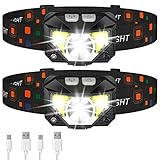
Early deck watches start in darkness. A headlamp frees your hands for cameras and handrails when visiting research stations.
Seasonal Packing Adjustments
What to add or skip depending on when you visit
Summer Expedition Season
November, December, January, February, March
Add: High-SPF lip balm, Sturdy sunglasses with side shields, Multiple memory cards for cameras
Shop Summer Expedition Season essentials →Skip: Extreme cold weather sleeping bags, Heavy-duty thermal suits
Midnight sun means endless golden-hour shots. Expect wild swings from blinding glare to freezing fog. Penguin chicks waddle and whales breach in every direction.
Shoulder & Winter Seasons
October, April, May, June, July, August, September
Add: Extra heavy-weight thermal layers, Insulated face mask, Hand and foot warmer packs
Shop Shoulder & Winter Seasons essentials →Skip: Lighter fleece layers, Standard sunglasses
Few ships sail deep winter. Conditions are harsh, daylight scarce. Travel is for science or extreme expeditions only. Follow the operator's gear list to the letter.
Luggage Recommendation
Choose a soft-sided duffel or a hybrid duffel with wheels for Antarctica. Soft bags slide under bunks in tight ship cabins. They flex around bulky layers. Pair a 22-inch carry-on with a waterproof duffel of 70-90 liters for checked luggage. Check zippers are sturdy. Add a waterproof cover for Zodiac transfers from ship to shore.
Shop Carry-On Luggage on AmazonPro Packing Tips
Practical advice from experienced travelers
Don't Pack
- Your operator gifts you a serious parka and may loan heavy boots. Leave bulky winter gear at home unless told otherwise.
- Evening dress codes are relaxed. Smart-casual works for every dinner. Leave the tux and sequins in the closet.
- Leave the hardcovers at home. They weigh you down and chew through your precious weight allowance. Pack an e-reader instead. Paperbacks work too. Less bulk, more stories.
- Skip packing your own rubber boots (wellingtons). Operators insist you wear their sanitized pairs. This rule protects Antarctic ecosystems. Trust their gear. It fits.
- Ditch the big shampoo and conditioner bottles. Solid bars cut plastic waste. Refillable mini bottles stop leaks. Less mess, lighter bag. Simple swap.
- Everyday jeans stay in the closet. Cotton denim soaks up moisture and never dries in Antarctica's cool, humid air. Pick synthetic pants. They insulate.
Buy Locally
- Forgot polar-grade sunscreen or lip balm? Outdoor shops in Punta Arenas (Chile) and Ushuaia (Argentina) stock them. Prices are fair. Check labels for SPF 50.
- Need last-minute lightweight gloves, hats, or neck gaiters? Tourist shops line Ushuaia's main street, Avenida San Martin. Selection is small. Prices climb. Buy early.
- Spare camera batteries and memory cards sit in gateway city electronics stores. Expect premium prices. Specific models sell out fast. Bring backups from home.
- Talk to your doctor about motion sickness medication like prescription scopolamine patches. Pick them up before departure. Local pharmacies may not carry your brand.
Packing Hacks
- Roll clothes instead of folding to save space
- Pack shoes in shower caps to protect clothes
- Use packing cubes to stay organized
- Keep essentials in your carry-on
Continue Planning Your Trip
More guides to help you prepare
Ready to plan your trip to Antarctica?
Now that you've got the research covered, here's where to go next.